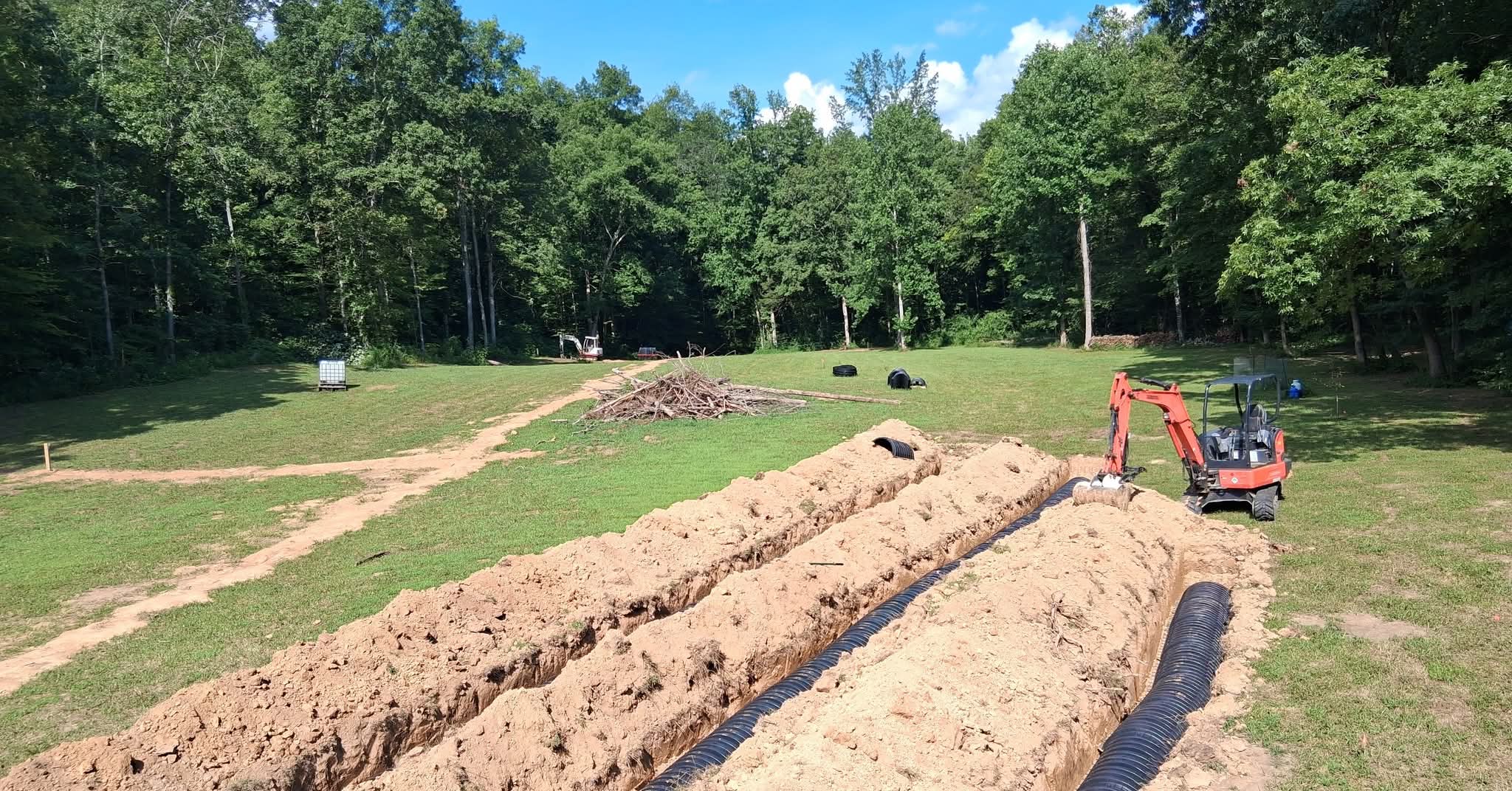
Understanding the Environmental Impact of Excavation and How Willetts Minimizes It May 04, 2026
Excavation involves the removal of earth, rocks, and other materials to create foundations for buildings, roads, and other infrastructure. This process, however, can disrupt local ecosystems, cause soil erosion, and lead to loss of biodiversity. It can also affect water quality due to sediment run-off, and alter natural drainage patterns, resulting in increased risk of flooding.
Recognizing these potential impacts, Willetts Excavation & Septic is committed to implementing environmentally sustainable practices. One of the primary methods for mitigating environmental impact is through erosion and sediment control. By installing silt fences, sediment traps, and using vegetation cover, Willetts ensures that sediment does not contaminate nearby water bodies.
Moreover, precise planning and site assessment are fundamental to minimizing the environmental footprint. Willetts conducts thorough site evaluations to understand soil composition, local wildlife habitats, and natural water flow patterns. This allows them to tailor their excavation approach to preserve the integrity of the surrounding environment.
One significant way Willetts contributes to sustainability is through the adoption of advanced excavation techniques and tools. By using GPS-guided equipment, the company enhances precision, reducing over-excavation and thus conserving the original landscape as much as possible. This precision not only minimizes environmental disturbance but also increases operational efficiency, saving time and resources.
Additionally, the use of biodegradable and eco-friendly materials in their operations is another step Willetts takes to reduce environmental harm. When backfilling, they ensure that the materials used do not introduce harmful chemicals into the soil and groundwater, safeguarding local flora and fauna.
Recycling and reusing materials is another strategy employed by Willetts. They prioritize the use of recycled aggregates and manage construction debris meticulously to limit waste. This strategy not only decreases the environmental impact but also supports sustainable resource management.
Moreover, training and awareness programs are integral to Willetts’ approach. By educating their team about environmentally friendly practices and the importance of reducing environmental impact, they ensure that their workforce is aligned with the company’s sustainability goals.
Transparency and accountability also play a vital role in their environmental responsibility. Willetts actively engages with the community and regulatory bodies to ensure compliance with environmental regulations and standards. This open dialogue allows for better understanding and collaboration with local stakeholders, building trust and fostering a culture of sustainability.
In conclusion, while the environmental impact of excavation cannot be entirely eliminated, companies like Willetts Excavation & Septic are making commendable efforts to mitigate these effects through thoughtful strategies and innovative practices. By incorporating sustainable methods, prioritizing precision, and engaging in responsible resource management, Willetts not only meets the needs of their clients but also upholds their commitment to environmental stewardship. This proactive approach ensures that the landscapes they transform today will continue to thrive for generations to come, aligning development with the principles of sustainability and ecological preservation.
/filters:no_upscale()/filters:format(webp)/media/866f5a73-bd30-48b4-b001-d99557baddba.jpeg)